
Green Volunteer Work: Making a Positive Impact on the Environment
Engaging in green volunteer work offers a unique opportunity to contribute positively to the environment while building connections within the community. Participating in these activities helps restore ecosystems and enhances personal well-being through meaningful engagement.
I have found that green volunteer projects, such as tree planting, community gardening, and wildlife conservation, allow individuals to directly address environmental issues. These initiatives often attract people from diverse backgrounds, creating a sense of camaraderie and shared purpose.

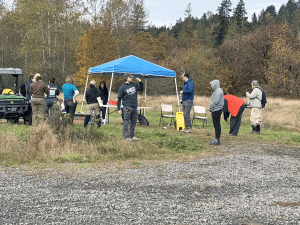
Green volunteers for Orca Recovery Day 2024
Working as a green volunteer for Orca Recovery Day
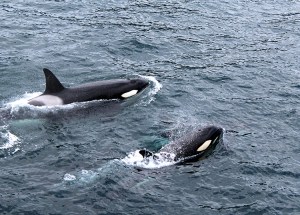
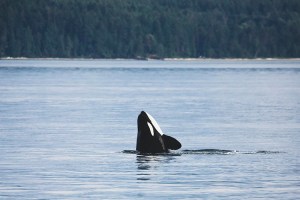
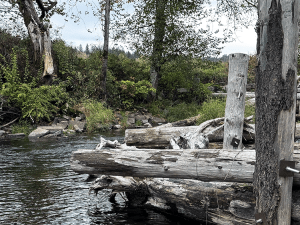
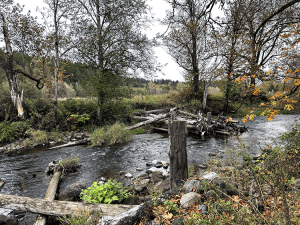
Last Saturday, I spent a lovely fall afternoon helping to plant trees along South Prairie Creek, which feeds into the Puyallup River. This small creek plays a small but vital part in the life cycle of salmon, which are a critical source of food for my beloved Salish Sea orca pods.
The betterground.org/ord/ states the problem clearly:
“Whereas other North Pacific orca habitat extends as far as Alaska, the Southern Residents remain close to the Salish Sea and mostly eat Chinook and other species of salmon. Made up of three pods (J, K, L), the Southern Residents have a uniquely tight-knit family structure.”
“Since 2006, the Southern Residents have had a downward trend in their population and haven’t shown signs of recovery. Southern Residents rely on their main food source, the endangered Chinook salmon, to survive. Due to habitat loss, climate change, and increased pollution, it has become even more difficult for migrating salmon to journey home to create new fish. To save our orcas, we must start with our salmon.”


For the love of L57
I first encountered all three pods in an incredible whale-watching experience in 2004. I was a new Puget Sound/Seattle resident and wanted to learn more about the ecology, unique flora, and fauna in my new “backyard.” So, I booked a whale-watching tour from the San Juan Islands. My local biology teacher took my companion and me out in his fishing boat to find the orcas.
We saw a grand total of 72 orcas that day—an orca powwow of all three regional pods. He was as amazed as I was, telling me that, typically, people are lucky to see two or three on a tour. I felt blessed to watch grandmother Orca L57 leading her little pod and see the youngsters breaching playfully around us. It was magical and a clear message to me that I have a responsibility to help care for all beings that are a part of the natural domain I also live in.
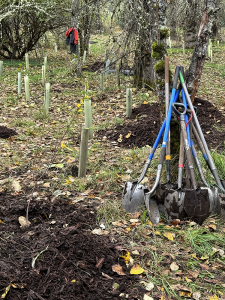
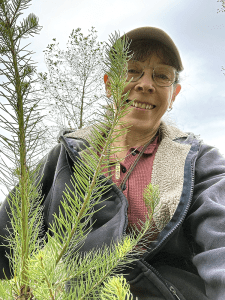
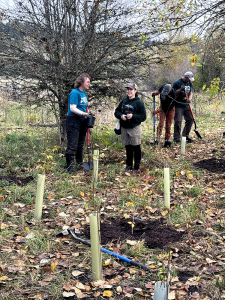
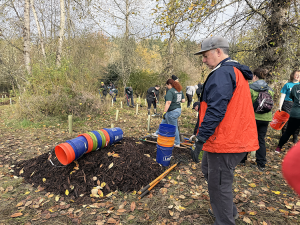
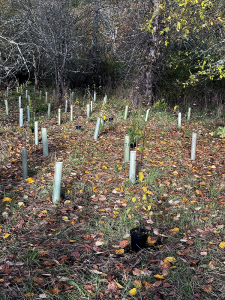
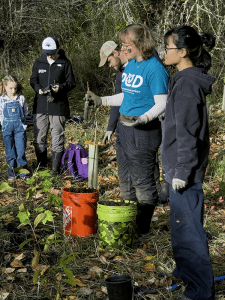
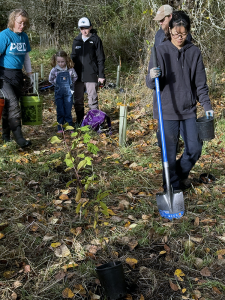
This is why I spent my Saturday morning #OrcaRecoveryDay helping plant baby trees along a little creek. Pierce County Conservation District organized this event as part of a larger community effort in salmon habitat restoration. I joined the PCD habitat team and a pack of volunteers to celebrate Orca Recovery Day at South Prairie Creek Preserve.
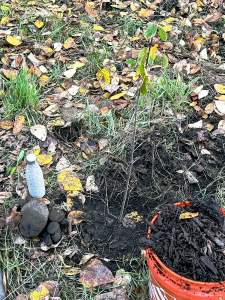
We planted a mix of trees and shrubs along the creek to enhance the salmon habitat. South Prairie Creek Preserve is one of the area's most productive salmon runs and significantly contributes to our resident orcas’ primary food source. I had a blast digging holes, planting little trees, and hauling big buckets of mulch. I will do this green volunteer work again, and hopefully bring my son and granddaughter to help.

The Importance of Green Volunteer Work
As I share my experiences and insights about green volunteer work, I aim to inspire you to join these efforts. The impact we can make collectively is significant, and the journey can be fulfilling and enriching.
Engaging in green volunteer work is vital to enhancing our environment and strengthening community ties. Through direct action, individuals contribute to environmental conservation while fostering a sense of belonging and responsibility among community members.
Environmental Impact of Green Volunteer Work
I recognize that green volunteer work significantly contributes to environmental health. Tree planting, habitat restoration, and clean-up drives directly improve local ecosystems.
For instance, planting trees not only helps combat carbon emissions but also provides habitats for wildlife. According to the National Forest Service, one tree can absorb about 48 pounds of CO2 annually.
Moreover, participating in beach or park clean-ups reduces pollution and protects flora and fauna. Volunteers also raise awareness about critical issues, encouraging sustainable practices. As a result, each initiative amplifies positive change on both local and global scales.
Community Benefits
The impact of green volunteer work extends beyond just environmental aspects; it also fosters community engagement. I have experienced firsthand how these initiatives unite people, cultivating teamwork and a collective sense of purpose.
When I volunteer, I meet others who share similar values and concerns. This collaboration often leads to stronger neighborhood bonds. Additionally, providing educational workshops or community gardens can empower residents with sustainability skills.
Volunteering can boost local economies by attracting ecotourism and enhancing property values through well-maintained green spaces. Community members who actively participate also tend to take pride in their environments, leading to long-lasting positive changes.
Types of Green Volunteer Work Activities
Engaging in green volunteer work opens various opportunities to contribute to environmental sustainability. Each activity has its own unique focus and impact, allowing volunteers to select based on their interests and availability.
Tree Planting and Urban Greening
Tree planting is a vital green volunteer activity that enhances urban landscapes. I can participate in local projects to green city areas, improve air quality, and provide local wildlife habitats.
Groups often collaborate with community organizations to select suitable locations and species. For the Orca Recovery Day event, PCD had already prepped the site. The trees were provided by a Gig Harbor nursery specializing in native plants and stock from Pierce County’s nursery programs. (The trees were an intriguing mix of conifers like Douglas fir, cedar, and hardy deciduous species. I have requested a plant list and will post it in the future!)
Also, urban greening can extend to creating community gardens and parks. These initiatives increase biodiversity and offer spaces for community engagement.
Wildlife Conservation Efforts
Wildlife conservation efforts focus on protecting endangered species and preserving natural habitats. Through my participation, I can assist in organizing cleanup efforts in critical habitats and monitoring wildlife populations.
Engaging in activities with local wildlife organizations allows me to learn about species and ecosystems while making a tangible difference.
Volunteer roles often include educating the public on local wildlife issues and advocating for conservation measures. This outreach helps foster a community committed to protecting our natural environment.


Environmental Education and Awareness
Organizations such as the Pierce County Conservation District often host workshops, school programs, or community events to raise awareness about sustainability practices.
The Orca Recovery Day event at South Prairie Creek attracted a diverse group of volunteers, from families with children and college students to elders like me. Seeing the kids working alongside seniors was very rewarding. By fostering understanding and collaboration, we empower the community to adopt greener habits and participate in local conservation efforts.
I encourage everyone to find a local community to volunteer with and work together to make our world a healthier, greener place for everyone, orcas and fish included! As my native friends and elders remind us, “We are all related.”
